
An 8-K is different from a 10-K or 10-Q because it is not a periodic update. It is an event-driven filing used when something important happens and investors should not have to wait for the next quarter or annual report to hear about it. That could mean a financing, a merger, a chief executive departure, a major contract, a restructuring, or another material development.
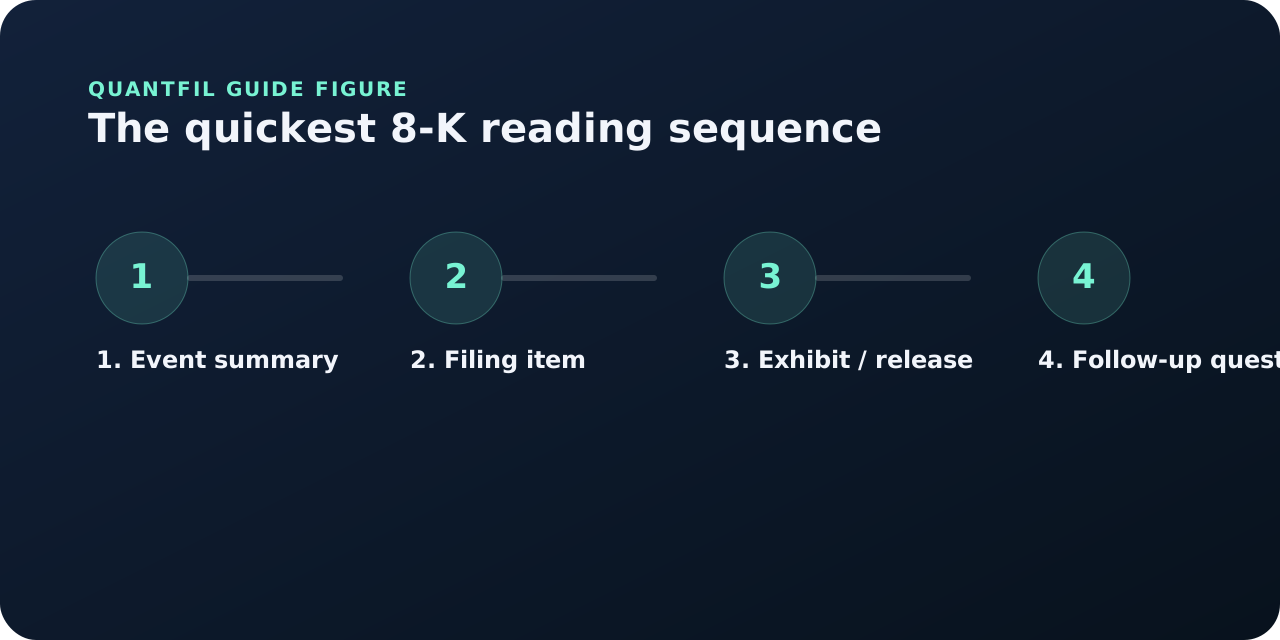
Because of that, the best 8-K reading workflow is shorter and sharper than a 10-K workflow. You want to know what happened, when it happened, which filing item applies, whether there is an exhibit or press release attached, and whether the event changes how you think about the company. The filing is not useful because it is formal. It is useful because it puts a potentially important event into the record.
- An 8-K reports a material event between periodic filings.
- Read it by asking what happened, why it matters, and what follow-up documents you need next.
- The filing often starts the investigation rather than finishing it.
What an 8-K is designed to do
The 8-K exists so material developments do not stay hidden until the next 10-Q or 10-K. That makes it one of the most time-sensitive filing types investors use. It is especially important when the event changes the information set quickly, such as a debt issuance, a material agreement, a management change, or a major transaction.
For mixed audiences, it helps to think of the 8-K as the SEC’s event-reporting channel. It is usually narrower than a periodic filing, but sometimes more urgent. The real challenge is not reading the filing. It is deciding whether the event is cosmetic, operationally important, or thesis-changing.
Read the event first, not the filing formality
The first thing to find is the actual event. Many 8-Ks include a press release, exhibit, or summary language that makes the event clear quickly. Start there. Ask: what happened, on what date, and what type of event is this? Is it governance, financing, litigation, an acquisition, an accounting issue, or a business update?
After that, check the filing item and any attached exhibit. The item number helps you understand the category of disclosure, but the underlying event is still what matters most. Investors often lose time by over-focusing on filing labels before they understand the business significance of the event itself.
How to decide whether the 8-K matters
An 8-K matters most when it changes one of four things: the business outlook, the capital structure, leadership quality, or legal and operating risk. For example, a financing 8-K may alter dilution or debt burden. A management 8-K may change trust in execution. A major agreement 8-K may change revenue visibility. A restructuring 8-K may affect margin outlook and cash requirements.
The easiest way to judge materiality is to ask what future filing or statement line this event is likely to influence. If the answer is vague, the event may be less important than it sounds. If the answer is obvious, the 8-K deserves real attention because it is already pointing at a change that will show up in future filings.
- Does the event affect cash, debt, dilution, or capital allocation?
- Does it change management credibility or governance quality?
- Will it likely change the next 10-Q or 10-K read in a visible way?
How 8-Ks fit into a Quantfil workflow
Quantfil is filing-first, so the most useful role for an 8-K is usually explanatory. If a 10-Q or 10-K on Quantfil looks meaningfully different from the prior report, an 8-K may explain why. A financing, restructuring, leadership change, or material agreement can provide the bridge between the previous filing read and the new one.
That means the practical workflow is often to start on Quantfil, identify the main change in the filing summary, and then use EDGAR to check whether an 8-K reported an event that helps explain the shift. The current report becomes context for the periodic filing rather than a separate research silo.
Common mistakes when reading 8-Ks
One mistake is assuming every 8-K is important just because it exists. Some are routine or narrow. Another is ignoring exhibits. In many 8-Ks, the attached press release or agreement summary is where the event becomes understandable. A third mistake is reading the event without connecting it back to the next periodic filing and the statement lines it might affect.
A good 8-K process stays disciplined. It asks what happened, whether it is material, where it would show up next, and what document should be read after this one. That keeps the filing useful instead of overwhelming.
Try it on Quantfil
Move from the educational overview into live filing pages that show summaries, comparison cards, and source-linked context.
Frequently asked questions
Can a company file an 8-K for earnings?
Yes. Companies can use 8-Ks to furnish earnings releases and other important updates.
Is an 8-K always a bad sign?
No. It is simply a current report. Some 8-Ks are positive, some negative, and some mostly procedural.
Should I read the exhibits in an 8-K?
Often yes. Exhibits or attached press releases frequently contain the clearest explanation of the event.
Does an 8-K replace the next quarterly filing?
No. It usually adds event context, while the next 10-Q or 10-K shows the broader operating and financial impact.
Primary sources and further reading
Editorial note and disclosure
Quantfil publishes these guides for informational purposes only. They are designed to help readers understand filing structure, investor workflow, and source verification, not to offer investment advice or security recommendations.
If a guide looks stale, unclear, or incomplete, use the source links above and review our editorial standards, corrections policy, and editorial team page for how the site handles updates and accountability.